
A well-organized study space enhances focus, memory, and reduces exam stress. Personalize zones for tasks, use visual aids, and keep materials accessible. Combine organization with active learning strategies like mind mapping and exercise breaks. Time management through structured scheduling and digital tools is key. Practice with exam-style questions improves performance and retention. Peer tutoring and study hacks enhance learning outcomes. Balance digital methods with traditional techniques for optimal academic excellence.
In today’s fast-paced academic landscape, students are constantly seeking effective strategies to optimize their study routines. Time management is a pivotal challenge, especially with demanding coursework and impending exams. This article offers an authoritative guide to unlocking the potential of time-saving study hacks—proven techniques designed to enhance productivity and efficiency. By implementing these strategies, students can navigate their academic journeys with renewed focus and confidence. We delve into practical methods that cater to diverse learning styles, ensuring a comprehensive approach to conquering academic milestones, particularly those pivotal exams.
- Organize Your Study Space for Maximum Efficiency
- Leverage Active Learning Techniques for Deeper Comprehension
- Time Management Strategies for Balanced Schedules
- Utilize Digital Tools and Apps to Streamline Research
- Practice with Exam-Style Questions for Test Readiness
Organize Your Study Space for Maximum Efficiency

A well-organized study space is a powerful tool for students looking to maximize their study sessions and perform at their best during exams. The environment in which you study can significantly impact your concentration, productivity, and overall learning experience. By optimizing your study area, you create a haven that supports focused work, enhances memory retention, and reduces exam stress. This section delves into the strategic organization of your study space to ensure every minute spent studying is effective and efficient.
Start by clearing clutter and creating designated zones for different tasks. A clean, organized desk promotes better focus as it eliminates distractions from misplaced items. Invest in a good quality desk with ample space for your materials and consider adding storage solutions like drawers or shelves to keep everything in its place. For example, flashcards are an effective study tool, especially when used interactively. Arrange them by topic on a well-lit, accessible wall or use a dedicated flashcard holder. This visual organization can significantly aid recall during revision sessions and even mock exams. Additionally, keeping frequently used items within easy reach reduces the time spent rummaging through drawers, allowing for more quality study time.
The placement of your study materials matters. Position reference books and notes at arm’s length to facilitate easy access. Use a dedicated notebook or folder system to organize different subjects or topics, making it simple to locate specific information quickly. Answering key analysis is another powerful strategy. Reviewing past exam questions and their answers can be an invaluable way to gauge your understanding and identify areas requiring further study. This process helps in breaking down complex topics into manageable chunks and provides a structured approach to revision, reducing the overwhelm often associated with exams.
Remember, creating an ideal study space is a personal endeavor. Consider your preferred learning style and tailor your environment accordingly. For example, some students thrive in complete silence, while others find inspiration from gentle background music. Incorporate break strategies for sustained learning by setting timers to ensure regular short breaks. These pauses can refresh your mind and maintain peak concentration throughout the study session. By combining effective space organization with proven study techniques like flashcards and answer key analysis, you’ll be well-prepared to tackle any exam with confidence.
Leverage Active Learning Techniques for Deeper Comprehension

Active learning is a powerful strategy for students aiming to save time and boost academic performance, particularly when preparing for exams. Instead of passively consuming information, engaging in active learning techniques encourages deeper comprehension. One effective tool within this framework is mind mapping, which visually organizes complex topics, making them more digestible. For instance, when tackling intricate history timelines or intricate scientific theories, a mind map can help students connect key events and concepts, enhancing their overall understanding. A study by the Journal of Educational Psychology revealed that students who used visual aids like mind maps demonstrated superior retention compared to those who relied solely on text-based learning.
Physical activity is another unexpected yet valuable time-saver for students. Research indicates a strong correlation between regular exercise and improved academic performance, including better memory and cognitive function. Incorporating short breaks for physical activities during study sessions can help maintain focus and energy levels. Simple exercises like stretching or a quick walk around the block not only refreshes the mind but also allows for much-needed mental respite from intense studying. By integrating physical activity into their routines, students can enhance their ability to absorb and retain information, making exam preparation more efficient.
Effective time management is paramount when navigating an exam calendar. Students should embrace a structured approach by creating a comprehensive study schedule well in advance of the exam period. This involves allocating specific time slots for each subject or topic, considering individual learning styles and preferences. For instance, some students may benefit from early morning study sessions for more complex subjects, while others might find evening review more productive. Utilizing digital tools to manage this calendar can be advantageous, providing a clear overview of tasks and deadlines. By meticulously planning and adhering to this schedule, students can avoid last-minute cramming, ensuring a more balanced and productive study routine that optimizes exam performance.
Memorization techniques play a vital role in retaining key concepts for exams. One such technique is the use of flashcards or digital alternatives that allow for spaced repetition. This method ensures information is reviewed at increasing intervals, enhancing long-term memory retention. Students should create concise and well-structured flashcards, focusing on defining terms, summarizing theories, or listing important dates—a strategy proven to improve recall. Combining active learning techniques with memorization can significantly aid in exam preparation, as it promotes a deeper understanding of the material and facilitates more efficient retention.
Time Management Strategies for Balanced Schedules

Time management is a crucial skill for students, enabling them to balance their academic responsibilities while fostering a healthy lifestyle. This section delves into effective time management strategies, specifically tailored to create balanced study schedules. By implementing these techniques, students can optimize their time, leading to improved performance and reduced stress levels.
One of the fundamental aspects is understanding exam security protocols and proctoring guidelines. Students should be aware of the rules governing exam environments, such as allowed materials and devices. For instance, knowing that certain calculators or phones might require special authorization ensures students don’t waste time during the exam by struggling with technical issues. Moreover, familiarizing oneself with various question formats, including multiple-choice, essay, or problem-solving, allows for a more strategic approach to studying. Understanding exam questions 1-3 times—reading, analyzing, and memorizing—can significantly enhance performance, especially in high-stakes assessments.
Creating a structured daily routine is a powerful tool. Students should allocate specific blocks of time for different subjects, ensuring equal attention to all areas. For instance, dedicating two hours each day to core subjects like math or science, and one hour for languages or humanities, promotes consistent progress. Breaking down complex topics into manageable study sessions prevents procrastination and encourages regular revision. Additionally, employing techniques like the Pomodoro method—25 minutes of focused work followed by a 5-minute break—can enhance concentration and productivity.
Exam grading criteria also play a vital role in time management. Students should aim to align their study efforts with these criteria, focusing on developing skills that judges value most. For example, if critical thinking is heavily weighted, practicing essay writing and analyzing case studies becomes more pertinent. By understanding the exam’s focus, students can prioritize their revision, ensuring they invest enough time in high-value areas without neglecting others. This strategic approach ensures a balanced schedule that prepares them not just for exams but for future academic challenges as well.
Utilize Digital Tools and Apps to Streamline Research

In today’s digital age, students have access to a plethora of tools designed to streamline their study habits. Utilizing these technological aids can significantly enhance efficiency during research for essays or even exam preparation. For instance, advanced search functions in academic databases allow for precise and quick location of relevant studies and sources. Moreover, specialized apps focused on note-taking and organization cater to the specific needs of students, making essay structure and organization a more manageable task. These tools not only save time but also ensure that crucial aspects like proper citation are seamlessly integrated into the research process.
One area where digital innovation shines is in subject-specific study guides. Numerous apps and websites offer tailored resources for various subjects, providing concise explanations and practical examples. For example, a history student can leverage these guides to quickly grasp complex concepts or prepare for exams by reviewing key terms and dates. Similarly, language learners benefit from interactive apps that focus on vocabulary building and grammar practice, ensuring they are exam-ready with sharp linguistic skills. By leveraging these digital study aids, students can efficiently cover vast amounts of material, a significant advantage when preparing for high-stakes assessments.
To maximize the benefits of these tools, students should adopt a strategic approach. Incorporating digital research methods into a structured study routine enhances learning outcomes. For instance, dedicating specific time slots for online research and utilizing apps for regular practice can significantly improve information retention. Moreover, understanding the exam grading criteria is paramount; aligning study efforts with these expectations ensures that time spent is targeted and effective. Remember, while technology offers immense assistance, it’s essential to balance digital study with traditional methods to foster a comprehensive learning experience. This blend of approaches, combined with expert guidance on cheating prevention methods, can empower students to excel academically without compromising integrity.
Practice with Exam-Style Questions for Test Readiness
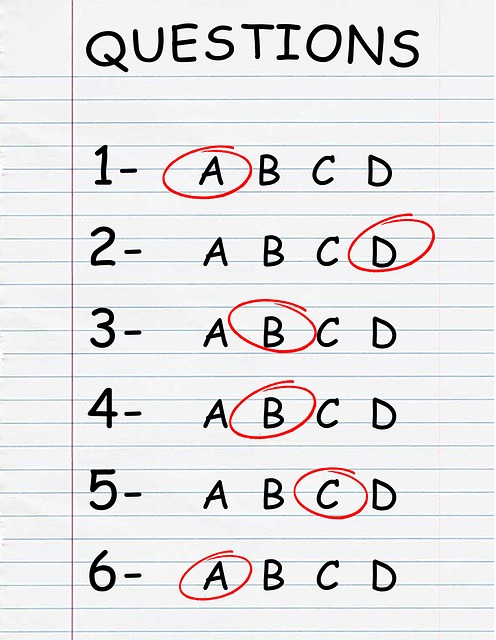
Practicing with exam-style questions is one of the most effective time-saving study hacks for students. By mimicking the format and rigor of actual exams, these practice sessions prepare students mentally and emotionally, reducing test anxiety and improving performance. For example, a study by the University of California found that students who engaged in regular practice tests scored significantly higher on final exams compared to those who relied solely on textbook learning. Incorporating exam-style questions into your study routine not only enhances knowledge retention but also sharpens critical thinking skills, ensuring you’re ready for any question type thrown your way.
Flashcards are another powerful tool that can significantly boost your study efficiency. Their concise format encourages active recall, a proven method for strengthening memory. Research suggests that actively retrieving information improves long-term retention better than passive reading or listening. For instance, creating flashcards for key concepts and terms allows students to test themselves repeatedly, reinforcing understanding. Moreover, digital flashcard apps offer features like spaced repetition, where cards are shown at increasing intervals, optimizing learning curves.
Time management is paramount during exams, and practicing with a specific focus on time allocation can be game-changing. Students should familiarize themselves with essay prompts and allocate time accordingly. Analyzing essay questions 1-3 times before beginning to write helps in understanding the depth of response required, allowing for more efficient planning and execution during the exam. Techniques like the Pomodoro method, where study sessions are divided into focused work periods with short breaks in between, can enhance concentration and productivity.
Peer tutoring techniques, such as teaching a concept to a friend or joining study groups, can offer unique insights and perspectives. Visiting us at [NAP/brand] for more resources on these methods can provide additional support tailored to individual learning styles. Remember, combining various study hacks—practice exams, flashcards, time management, and peer tutoring—can create a comprehensive strategy that optimizes learning outcomes and ensures test readiness.
By implementing these time-saving study hacks, students can significantly enhance their learning efficiency. Organizing your study space for optimal flow, leveraging active learning techniques to foster deeper comprehension, mastering effective time management for balanced schedules, utilizing digital tools to streamline research, and practicing with exam-style questions to prepare for Assessments are all proven strategies that contribute to academic success. These insights empower students to take control of their studies, improving both understanding and performance, especially when preparing for exams.